

By integrating the software directly with credit card networks like Visa and Mastercard, volunteers can get instant notifications via SMS on all credit card spending. This enables them to submit receipts instantly via text, ensuring accurate and http://www.inspireeducation.lk/2021/06/01/ebay-accounting-principles-tools-and-compliance/ timely expense report submissions and reimbursements. Nonprofit bookkeeping refers strictly to the process of recording and tracking financial transactions. This is a lower-level position and carries no decision-making responsibilities. To get started, it’s essential to choose whether your organization will use a cash or accrual-based accounting system. But most nonprofits don’t need a full-time accountant and generally speaking, employees are expensive.
What is Non-Profit Accounting?
Explore strategies to effectively manage a nonprofit’s cash flow — ensuring the organization can meet its obligations, invest in its mission, and achieve long-term financial sustainability. ANAFP works to promote, educate, and foster collaboration for those professionals and to be a resource to the general public on nonprofit accounting and finance matters. When evaluating an organization’s financial performance, it is crucial to analyze both the budget and actual financial data.
- Likewise, keep a tax deduction cheat sheet handy for quick reference during donor inquiries.
- Your specific needs might vary—organizations with government contracts might require bigger reserves to handle payment delays.
- Contact us now to find out how Raymond H Best, PC, CPA can help you manage the financial side of your nonprofit.
- Finding the perfect software for your nonprofit’s finances is a game-changer—it makes managing money easier and gives you the tools to succeed.
- This statement helps you track spending patterns, ensure compliance, and make informed budgeting decisions.
Accrual Accounting vs. Cash Accounting for Nonprofits
We focus on financial statement reporting and do not discuss how that differs from income tax reporting. Therefore, you should always consult with accounting and tax professionals for assistance with your specific circumstances. The U.S. Internal Revenue Service (IRS) requires some tax-exempt nonprofit organizations to file Form 990 (some can file Form 990-EZ) each year. (However, churches and some other nonprofit organizations are not required to file.) The title of Form 990 is Return of Organization Exempt From Income Tax. For example, a management employee might be spending 30% of her time in fundraising activities but her entire salary has been recorded as management and general expenses. If the nonprofit’s board of directors designates some of the nonprofit’s unrestricted assets for a specific purpose, those assets must continue to be reported as net assets without donor restrictions.
Nonprofit Accounting
- As mentioned, functional expense reporting is a critical requirement under nonprofit accounting standards that ensures organizations categorize their spending to show precisely how funds are used.
- Understanding these guidelines will help your nonprofit succeed in its mission, all while ensuring accountability and tax-exempt status through transparent financial reporting.
- Like its competitors, NonProfitPlus gives users all of the basic tools needed for effective accounting.
- The statement of cash flows shows how cash moves in and out of a nonprofit over a specific period, tracking where cash comes from, how it’s used, and how the cash balance changes.
- It’s important for you and your team to have a strong understanding of the fundamentals of nonprofit accounting, whether it’s tracking donations or meeting specific regulatory requirements.
- Stay ahead of such action by learning more about the common reasons for revocation, how the process works, and how to regain tax-exempt status should your nonprofit find itself in this situation.
While the SEC continues to oversee financial reporting for publicly traded companies, it defers standard-setting to FASB. Meanwhile, AICPA continues to provide guidance and best practices, shaping financial reporting across industries, including nonprofits. Whether you’re stepping into a financial role at a nonprofit or serving on a board, understanding accounting standards is key to ensuring compliance, transparency, and financial sustainability. Using a donor management software can help nonprofits track and manage all donations, ensuring they are maintaining compliance with governmental regulations.

Since the gain is outside of the main activity of a business, it is reported as a nonoperating or other revenue on the company’s income How to Run Payroll for Restaurants statement. Under the accrual basis of accounting, revenues are recorded at the time of delivering the service or the merchandise, even if cash is not received at the time of delivery. While the statement of cash flows, or cash flow statement, may be a bit difficult to prepare, it is an important financial statement to be read.
Cross-train staff on essential functions and maintain clear process documentation. This preparation helps your organization maintain strong financial management even when key personnel changes occur. The promise of improved efficiency through technology often non-profit accounting comes with its own hurdles in nonprofit accounting. Understanding the benefits of accounting software can help organizations make better decisions about technology investments, even with limited resources. Most organizations rely on various funding sources, creating complex nonprofit accounting requirements. Financial limitations affect nearly every aspect of nonprofit accounting operations.

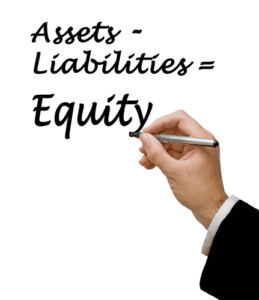
It’s a good idea to make use of nonprofit accounting software, which comes built-in with the features you need to keep your nonprofit’s accounting on track. These features include nonprofit reporting, GAAP compliance, and simplified tax filing for organizations. Nonprofit organizations must prepare four core financial statements annually–the statement of financial position, statement of activities, statement of cash flow, and statement of functional expenses. Maintaining the trust and confidence of stakeholders and donors is essential for nonprofit organizations. Nonprofits should uphold high ethical standards in financial practices, ensuring transparency and accountability. Clear communication of financial information and disclosure of financial statements and annual reports to stakeholders are imperative to demonstrate responsible financial stewardship.